

Dry Skin in Fall: Why Your Skin Feels So Dry (And What to Do About It)
Your skin was doing just fine a few weeks ago.
Now your face feels tight after washing it, your moisturizer doesn't seem to last as long, and you're noticing dry patches that weren't there before.
Sound familiar?
I hear this exact complaint from clients like clockwork every single October, it's basically a season on its own in my treatment room.
If your skin suddenly feels dry in fall, cooler temperatures, lower humidity, and indoor heating are often the reason. These seasonal shifts make it harder for skin to retain moisture, which can lead to tightness, flaking, and irritation even if your routine hasn't changed.
If you're noticing that change and want to know what's causing it and what to do next, this guide breaks down why skin gets drier in fall, how dry skin differs from dehydrated skin, how the skin barrier affects moisture loss, which simple skincare adjustments and moisturizers can help, and when it makes sense to seek professional advice or in-office treatments.
The good news is that you don't necessarily need to replace every product in your bathroom. In many cases, a few small changes are enough to restore comfort and support healthier skin through the season.
Why Does Your Skin Get So Dry in Fall? The Role of Indoor Heating
When the air becomes drier, moisture can evaporate from your skin more easily. That's why you might notice more tightness, flaking, or rough patches as fall settles in.
And while the weather plays a role, it's not always the only reason your skin feels dry.
Hot showers, harsh cleansers, and using too many exfoliating products can also contribute to dryness. These habits can affect your skin's protective barrier, making it harder to hold onto moisture.
And sometimes, the lightweight moisturizer that worked beautifully all summer simply isn't enough anymore.
Your Skin Barrier Plays a Big Role
Your skin has a protective outer layer, often called the skin barrier. One of its jobs is to help keep moisture in while protecting your skin from outside irritants.
I talk about the skin barrier so much here that my clients probably think I have a crush on it. Honestly? Kind of do.
When your skin barrier is struggling, moisture can escape more easily, and things that normally wouldn't bother your skin may suddenly cause irritation.
You might notice that your favorite moisturizer starts to sting or your face feels tight even after applying it.
As I explain in my article about adjusting your fall skincare routine, sometimes changing a few products or habits is enough to help your skin feel more comfortable.
What's the Difference Between Dry and Dehydrated Skin?
Dry skin and dehydrated skin aren't exactly the same thing, and understanding the difference can help you choose products that make sense for your skin.
Dry skin is a skin type that naturally produces less oil. It may feel rough, tight, or flaky throughout the year.
Dehydrated skin lacks water, and it can happen with any skin type, including oily skin.
That means you can have an oily complexion and still experience tightness or dehydration. You can also have both dry and dehydrated skin at the same time. Drinking water supports overall skin's health and hydration, but it does not replace topical moisture.
This is why I like to look at what's happening with your skin before recommending products. Someone with oily, dehydrated skin may need something different from someone whose skin is naturally dry.
5 Simple Ways to Keep Your Skin Hydrated in Fall
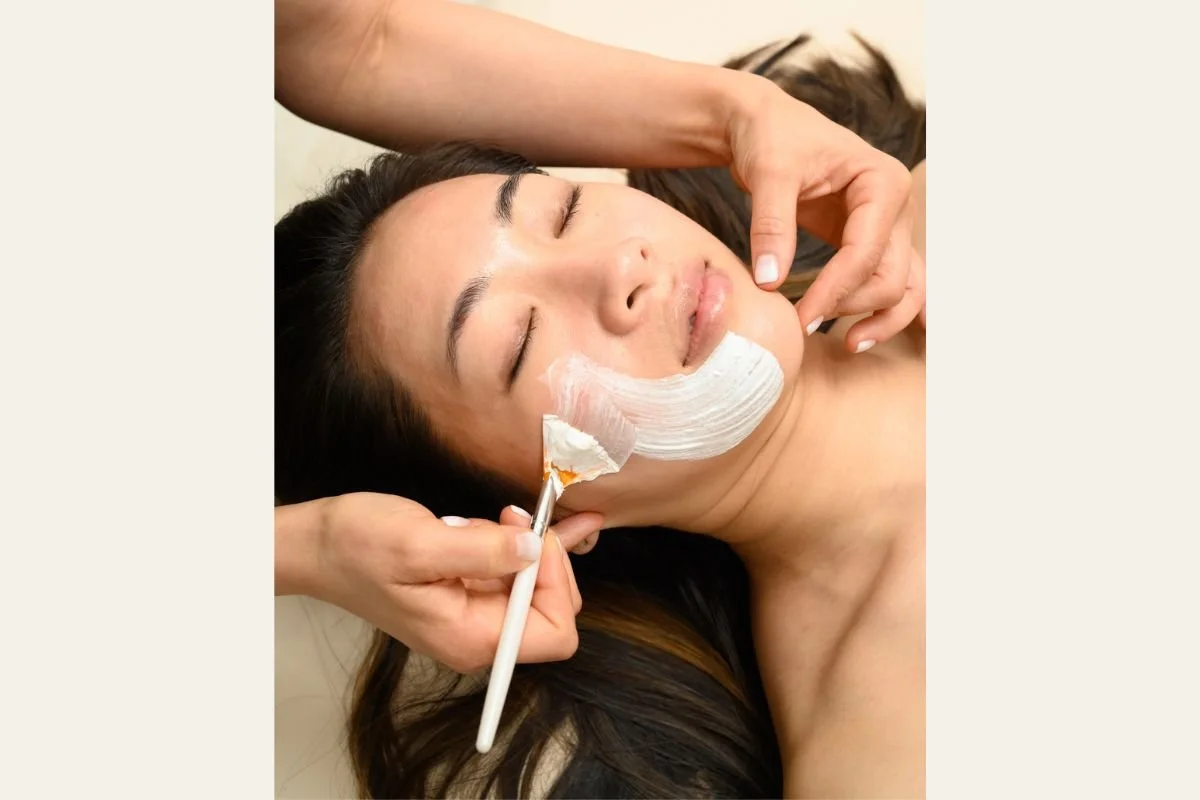
You don't need a complicated skincare routine to help your skin through the colder months and support your skin's health as conditions change. Here are five simple changes that can make a difference.
1. Run a Humidifier at Night
If you wake up with skin that feels especially tight or dry, the air in your bedroom might be contributing.
When the heat is running, indoor heating can create dry air and low humidity overnight. A humidifier adds moisture back into the air, which may help reduce some of the dryness you're experiencing overnight.
Choose one that's easy to clean, and clean the humidifier regularly according to the manufacturer's instructions for maintenance.
2. Turn Down the Temperature of Your Showers
I know how good a hot shower feels when it's cold outside, but your skin may not appreciate it quite as much.
I get it, a hot shower feels like a warm hug when it's freezing out. Your skin just happens to disagree with you on this one, every time.
Very hot water can remove some of your skin's natural oils, leaving it feeling tighter and drier afterward.
Try using warm water instead and keeping your showers a little shorter. Applying moisturizer shortly after bathing, while your skin is still slightly damp, can also help hold onto moisture before it evaporates. Before that, gently pat your skin dry instead of rubbing it with a towel. When you're outside, wearing gloves helps protect your hands from cold wind and reduce dryness.
3. Use Gentle Cleansing With a Cleanser That Doesn't Leave Your Skin Feeling Tight
Have you ever washed your face and immediately felt like you needed moisturizer?
That tight, squeaky-clean feeling isn't necessarily a good thing. Harsh foaming cleansers can strip natural oils and even essential oils from the skin.
A gentle cleanser should support gentle cleansing by removing dirt, makeup, and daily buildup without leaving your skin feeling stripped.
If your face feels dry or uncomfortable after washing, it may be worth looking at what you're cleansing with. If your skin feels reactive or easily irritated as the weather cools, try a fragrance free option.
And remember, you don't need to scrub your face to get it clean.
4. Choose a Moisturizer That Helps Your Skin Hold Onto Moisture
Your favorite summer moisturizer might not be cutting it anymore once temperatures drop.
During warmer months, you may prefer something lightweight that absorbs quickly. But when the air gets colder and drier, your skin may benefit from more hydating products that provide a little more moisture and protection.
Some ingredients worth knowing about include:
Hyaluronic acid: Helps attract and hold water in the skin.
Glycerin: Draws moisture into the outer layers of the skin.
Ceramides: Help support the skin's protective barrier.
Petrolatum and dimethicone: Help reduce moisture loss by forming a protective layer on the skin.
A fragrance free moisturizer is often a good choice, especially for sensitive skin.
The American Academy of Dermatology also recommends using moisturizers and choosing gentle skincare products to help relieve dry skin. To apply moisturizer effectively, do it while skin is still slightly damp and reapply moisturizing lotions frequently to dry areas as needed.
The best moisturizer depends on your skin type and how your skin is feeling. Some people benefit from a richer cream during fall, while others do better with something lighter.
5. Layer Your Fall Skincare Routine Without Overcomplicating It
When your skin feels dry, it's tempting to start adding more products. A hydrating serum, another moisturizer, a face oil, maybe even a new mask.
Before you know it, your bathroom counter is full, and you're not sure which products are actually helping.
This is the point where I gently stage an intervention. More products is not a routine, it's a cry for help, lol.
I prefer keeping things simple and choosing products that work well together.
A basic hydration routine might look like this:
Cleanse: Start with a gentle cleanser that doesn't leave your skin feeling stripped.
Hydrate: If your skin benefits from a hydrating mist or serum, apply it before your moisturizer. This step is optional.
Moisturize: Follow with a cream or lotion suited to your skin's needs.
Add extra moisture if needed: For very dry skin, an additional moisturizing layer or a few drops of an appropriate face oil may help. Just remember that face oil isn't a substitute for moisturizer.
And during the day, don't forget sunscreen in fall. Use a broad spectrum sunscreen with an SPF 30 or higher as your final daytime step because UVA rays are present year round and can penetrate clouds and windows, helping protect your skin from premature skin aging and skin cancer.
Can Too Much Exfoliation Make Dry Skin Worse?
Yes, especially if your skin is already irritated.
When your skin starts looking flaky or rough, your first instinct might be to reach for a scrub or exfoliating acid.
This is the #1 thing clients confess to me every fall like it's a skincare sin. It's not, we just fix it together and move on.
But those dry patches aren't always something you should try to scrub away. Exfoliation helps remove dead skin cells, which can help moisturizer absorb better when it's used appropriately.
Over-exfoliating can disrupt your skin barrier and contribute to dryness, redness, and sensitivity.
Exfoliation can still be beneficial when it's appropriate for your skin. I explain more about this in my article on chemical peel benefits, including why fall can be a good time to consider professional exfoliation, though some exfoliating body washes or acids can be too much if your skin is already dry.
If your skin feels tight, stings when you apply products, or looks irritated, I'd rather focus on gentle care before recommending another exfoliating treatment. If your skin has been irritated, reintroduce active ingredients gradually instead of restarting everything at once.
More exfoliation doesn't always mean healthier-looking skin.
When Your Regular Moisturizer Isn't Enough
If your moisturizer feels great when you first apply it but seasonal dryness keeps returning a few hours later, it may be time to try something richer.
A consistent routine with the right moisturizer is often enough for mild seasonal dryness.
When someone's skin needs a richer moisturizer, SkinMedica Dermal Repair Cream is one of the products I may recommend.
It contains vitamins C and E, along with sodium hyaluronate to help attract and retain moisture.
The regular retail price is $134, and it's available through Graceful Skin & Body Spa.
If your current moisturizer is working well, there's no reason to replace it. But if your skin has been feeling increasingly dry, we can talk about whether a richer moisturizer would be a better fit.
Can a Facial Help With Dry, Dull Fall Skin?
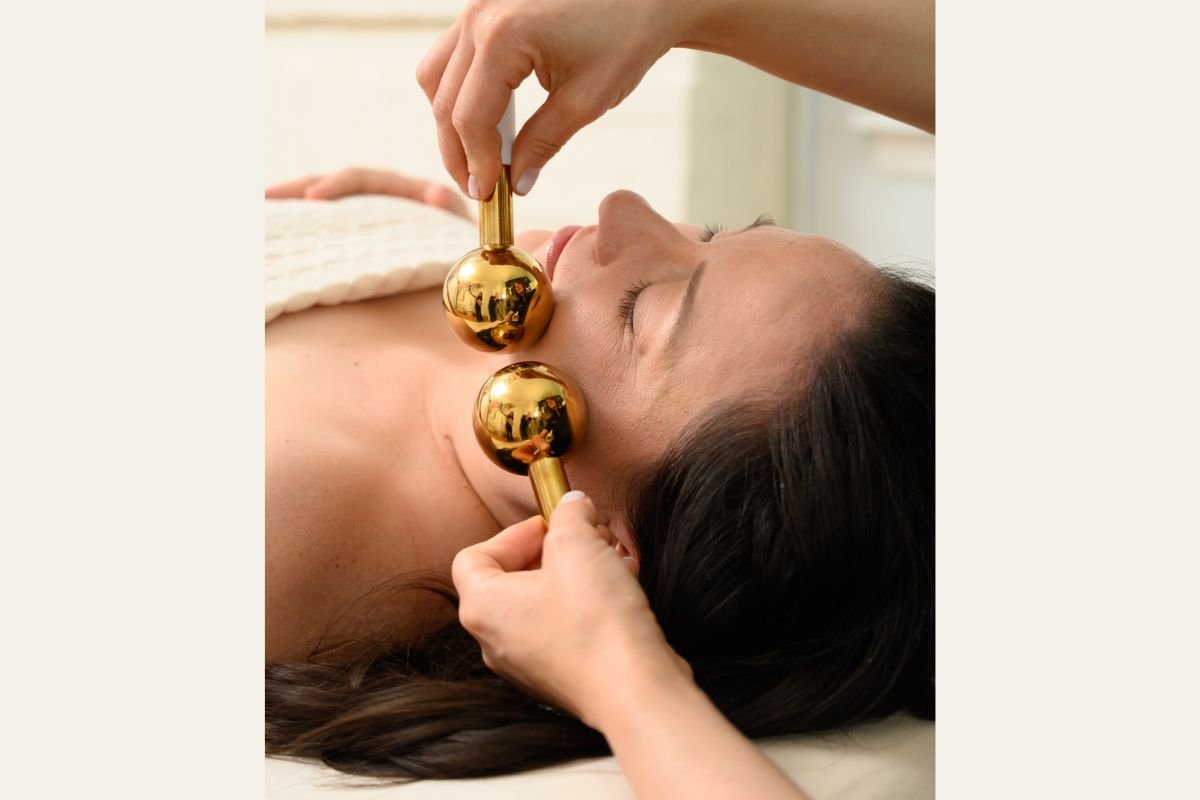
A professional facial can be helpful for certain seasonal skin concerns, but the right treatment depends on what your skin actually needs. If you're curious about your options, you can explore my facial treatments to learn more about the services I offer.
If your skin is feeling irritated or especially dry, I may recommend focusing on hydration and gentle care rather than exfoliation.
Fall Glow Facial: A Seasonal Treatment for Dull Skin
For skin that's looking dull or uneven after summer, my Fall Glow Facial combines pumpkin enzyme resurfacing with vitamin C brightening to help refresh its appearance.
The Fall Glow Facial is $249 and is available through November 30, 2026.
When Is Dry Skin More Than Just a Seasonal Problem?
A little extra dryness when seasonal changes hit is common, but not every case of dry skin is caused by cold air or indoor heating.
Persistent itching, painful cracks, significant redness, or irritation that doesn't improve may need more attention.
Skin conditions such as eczema can sometimes look like ordinary dryness. Persistent dryness can also stem from an allergic reaction or other skin conditions, especially in dry weather. If your symptoms continue despite gentle skincare, it's worth checking with a dermatologist.
The National Eczema Association also provides helpful information about eczema, dry skin, and skin barrier concerns.
If symptoms persist, especially with very sensitive skin, see a board certified dermatologist who can evaluate the cause and create a personalized treatment plan.
Not Sure What Your Skin Needs This Fall?
If your skin has been feeling different lately and you're not sure what to change, I'd be happy to help.
Sometimes a few adjustments to your home routine are enough. Other times, your skin may benefit from a little extra attention.
Whenever you're ready, you can book a consultation or appointment with me at Graceful Skin & Body Spa in Hoboken.
I'd love to help you feel more comfortable and confident in your skin.